1 / 67
0:00/0:00
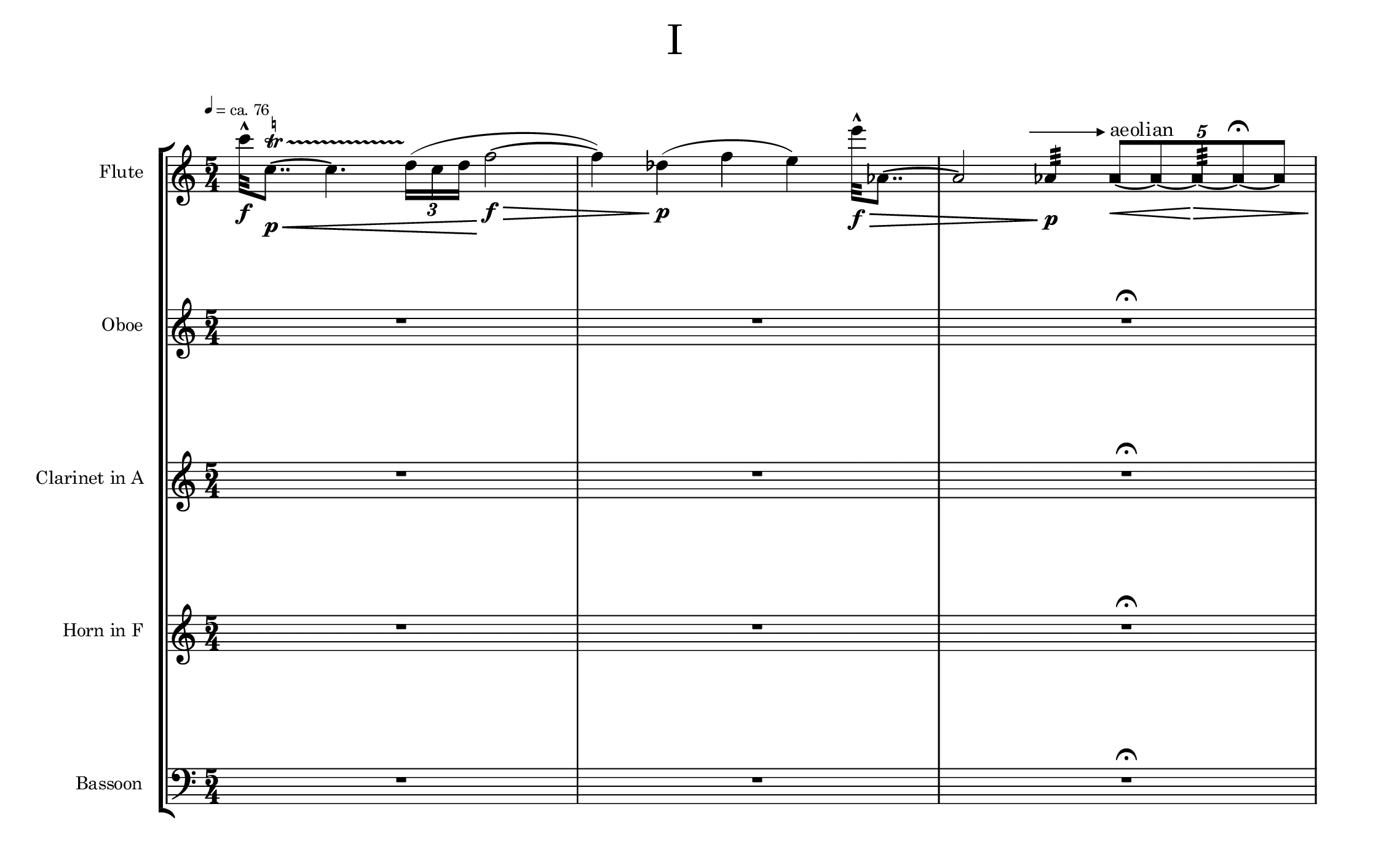
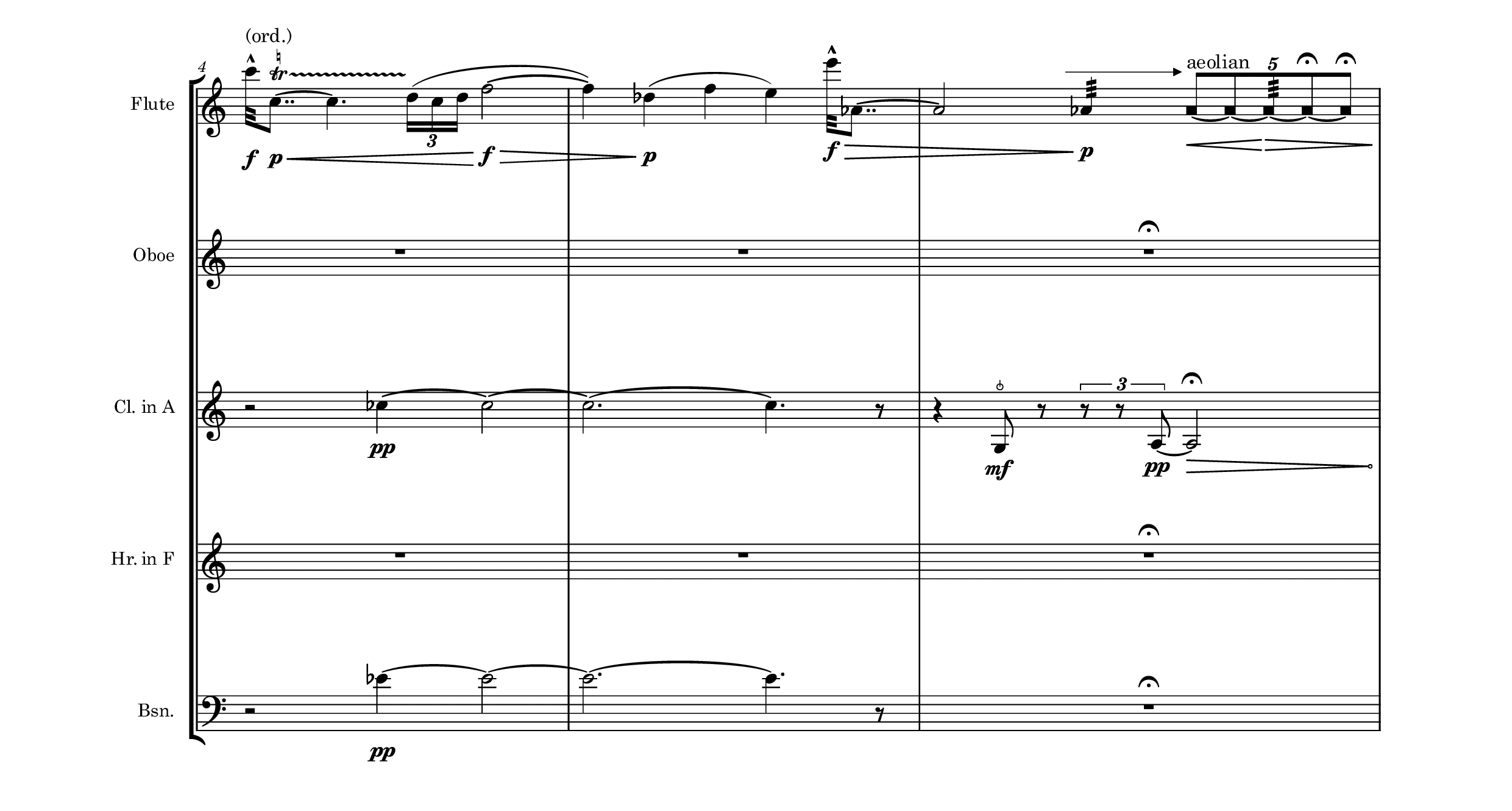
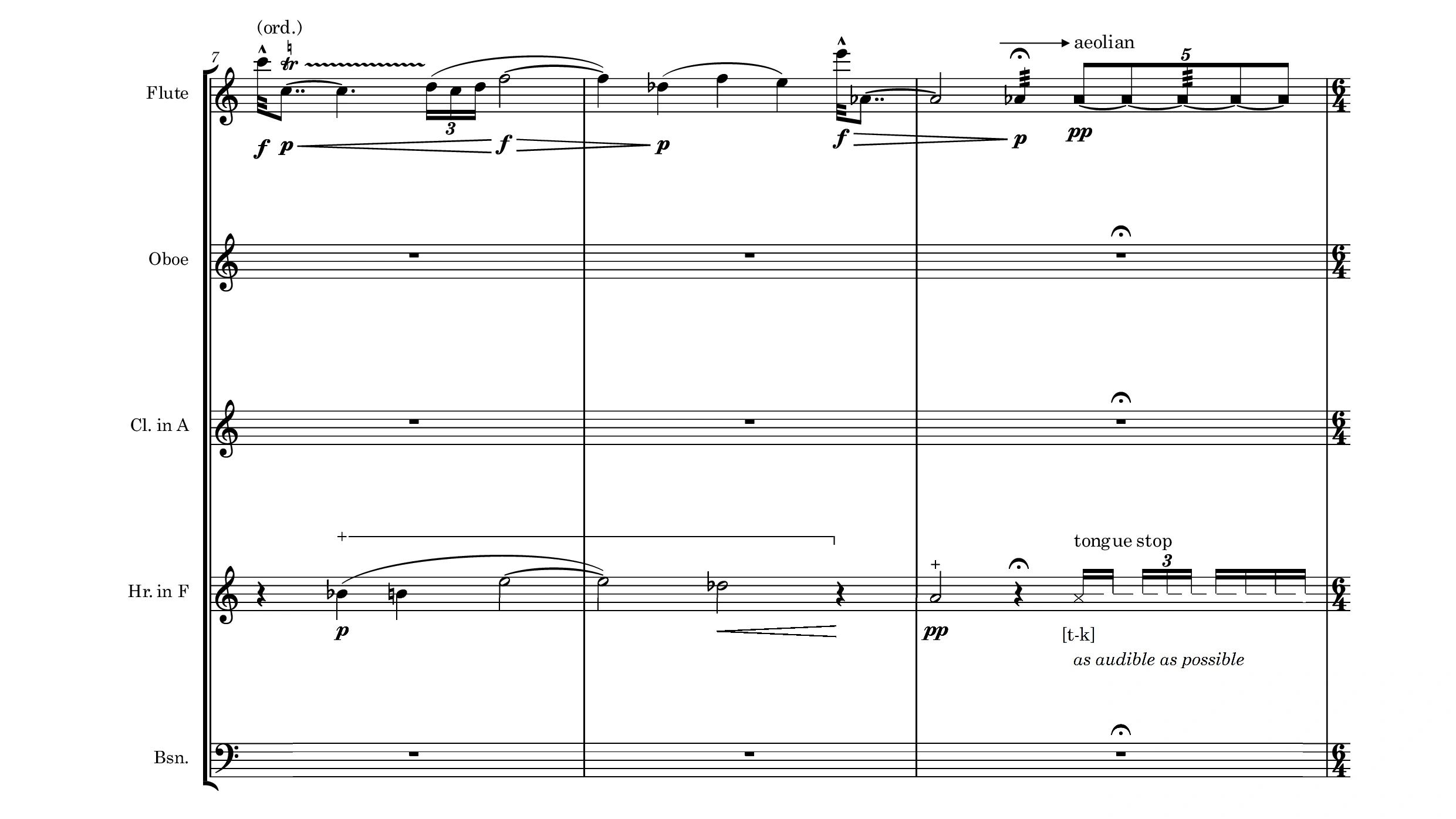
Taking its departure from György Kurtág’s concept of the "microlude," Geometrie Agrodolci adopts a model of radical conciseness and pays homage to the Hungarian composer's mastery of the fragment—where an entire expressive arc is condensed into a matter of moments.
Each of the twelve pieces unfolds around a few distinct musical gestures, exposed and minimally transformed within a highly compressed space. Rather than a shared thematic idea, the cycle is bound by a hidden architecture: a single harmonic matrix — a grid of pitches designed to be read both vertically as chords and horizontally as melody. Rooted in an expanded serialism, freed from its usual systematic rigidity, this "geometry" acts as a sonic crystal, with each movement carving out a different facet viewed from a unique angle.
Overlaid upon this rigorous framework is the title’s second dimension: the bittersweet. In ever-shifting proportions, each piece balances lyrical consonance with sharp dissonance, fractured gestures, and sudden silence. This creates not a stark alternation between "sweet" and "bitter" movements, but a persistent, unresolved internal tension within each individual fragment.
Audio mockup produced and digitally edited using Steinberg Dorico and NotePerformer 3