1 / 10
0:00/0:00
TK
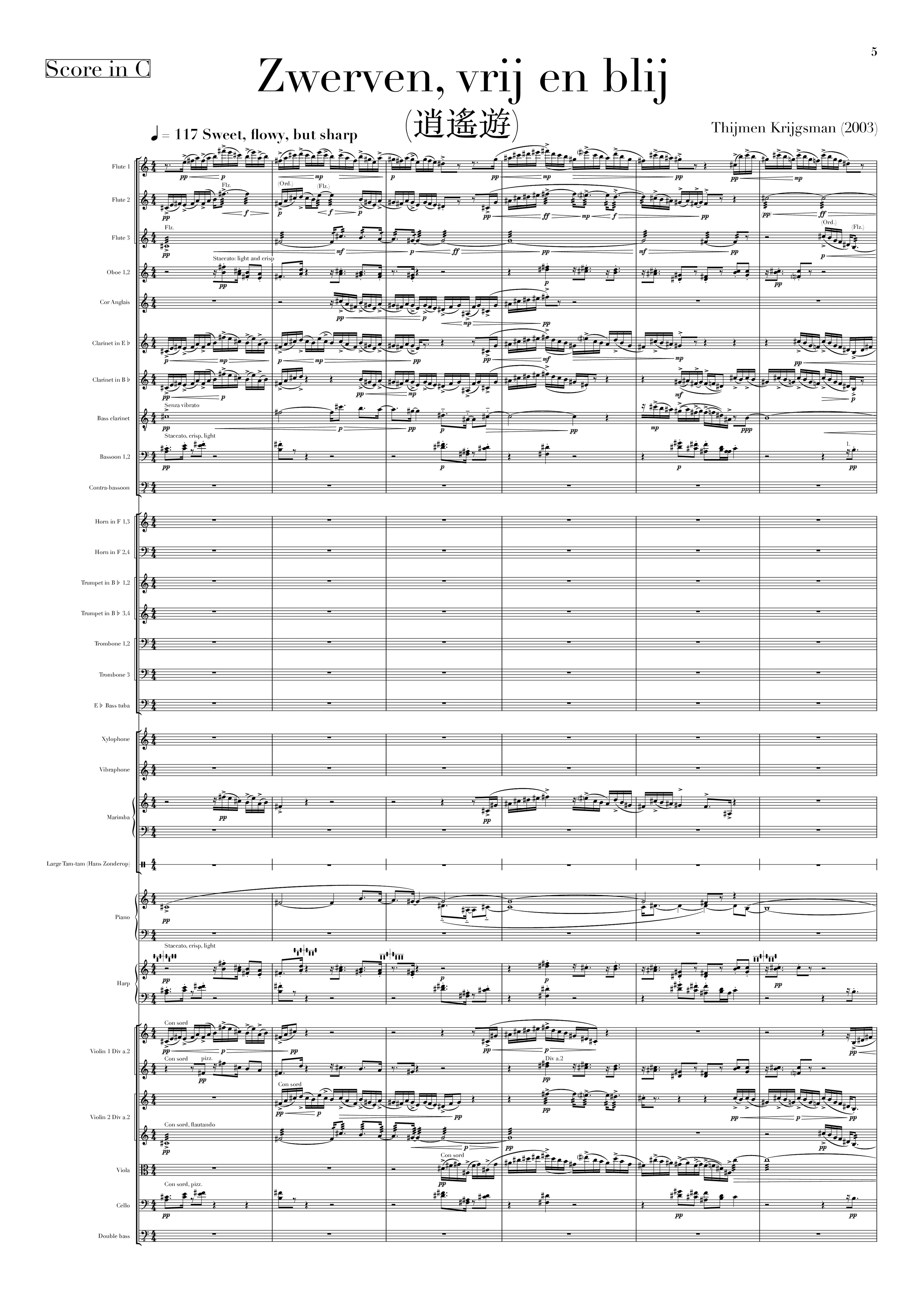
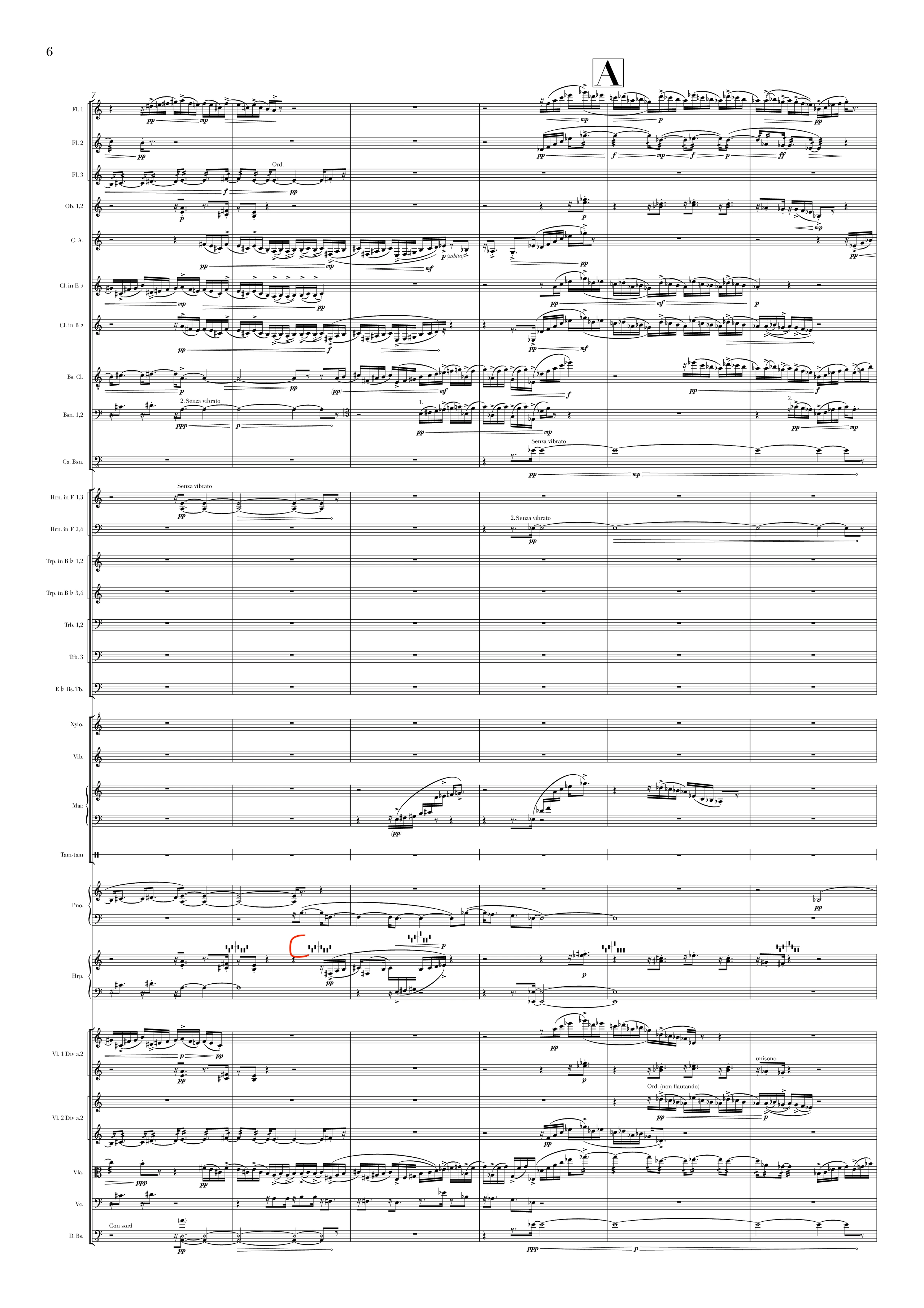
Zwerven, vrij en blij (逍遙遊)
Thijmen KrijgsmanOrchestra
2026
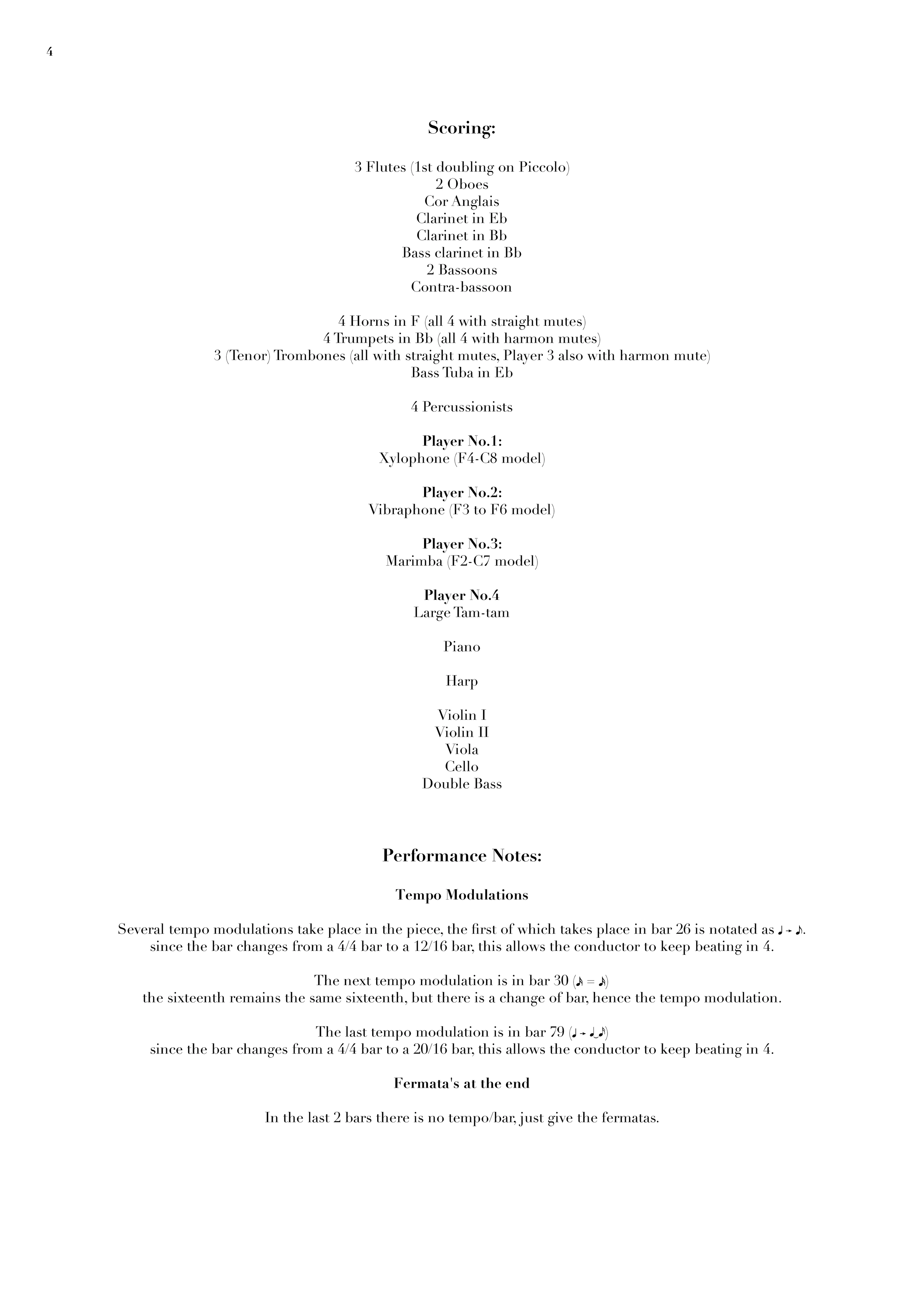
Bass Clarinet
Bassoon
Cello
Clarinet
Contrabassoon
Double Bass
English Horn
Flute
Zwerven, vrij en blij ((逍遙遊) (or in English, Free and easy wandering) takes its title from the opening chapter of the writings of Zhuang Zi (or simply the Zhuang Zi (莊子)). Zhuang Zi was a Chinese writer, Daoist philosopher and mystic; his philosophy unfolds not through dry propositions, but through parables, myths, contrasts, and images that are as lucid as they are enigmatic.
The first chapter opens with one of the most famous images in Chinese literature: in the dark waters of the north lives a gigantic fish, Kun. It transforms into a bird, Peng, which rises with its vast wings and flies toward the southern (celestial) sea. The dimensions are absurdly large, the flight is cosmic. At the same time, the story poses an exquisitely subtle question: what does freedom mean when every perspective is limited? What is large, what is small, what is near, what is far?
Krijgsman does not create a literal musical retelling of this chapter. His composition is instead a free, associative exploration of the images and ideas contained within it. The music seeks the space of wandering: not as aimlessness, but as a state in which form, direction, and identity become looser. Hopefully, the composer writes, the wandering itself has taken on a shape.