1 / 18
0:00/0:00
Solo
2009
Performer
- Program Notes
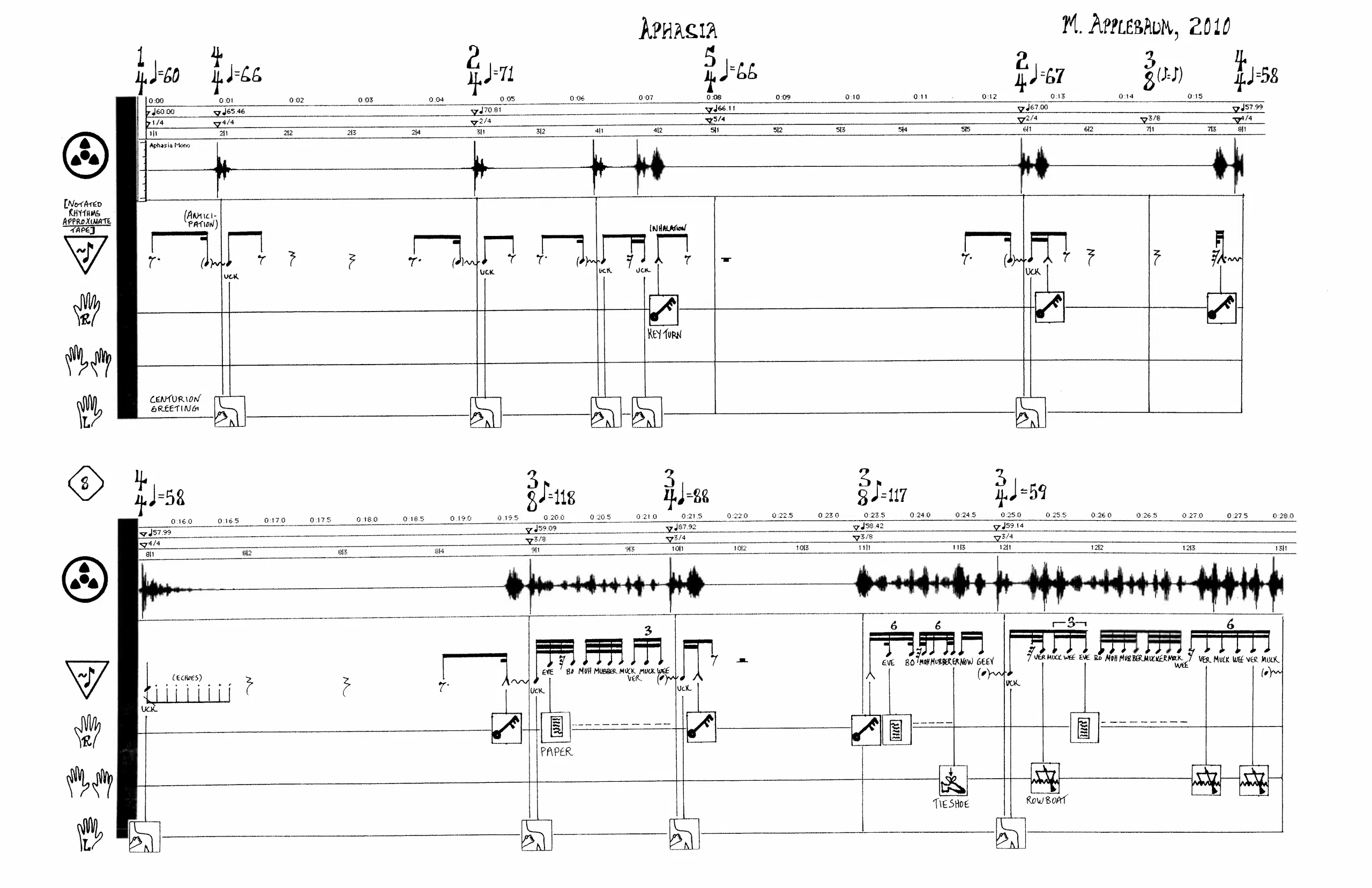
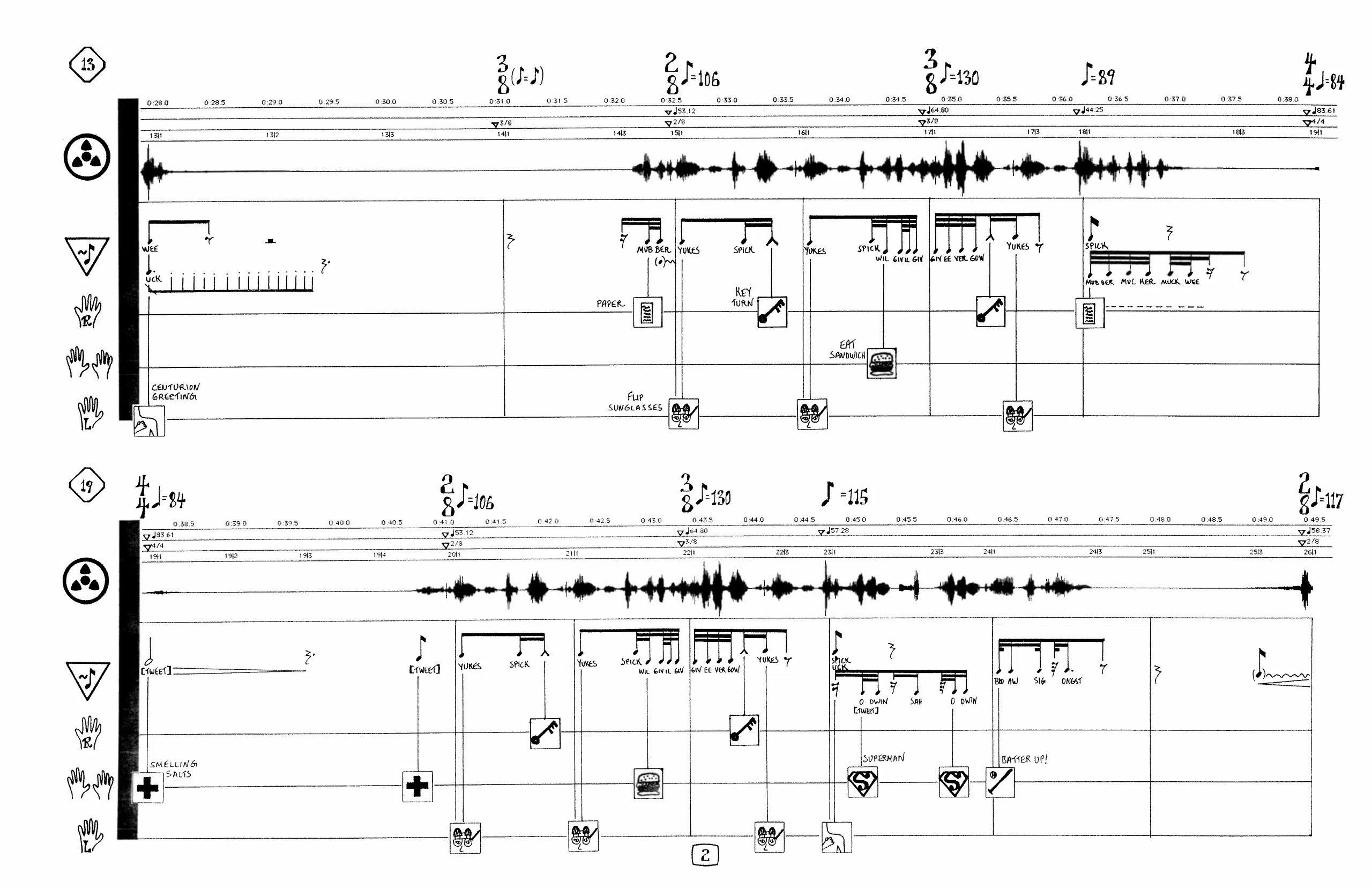
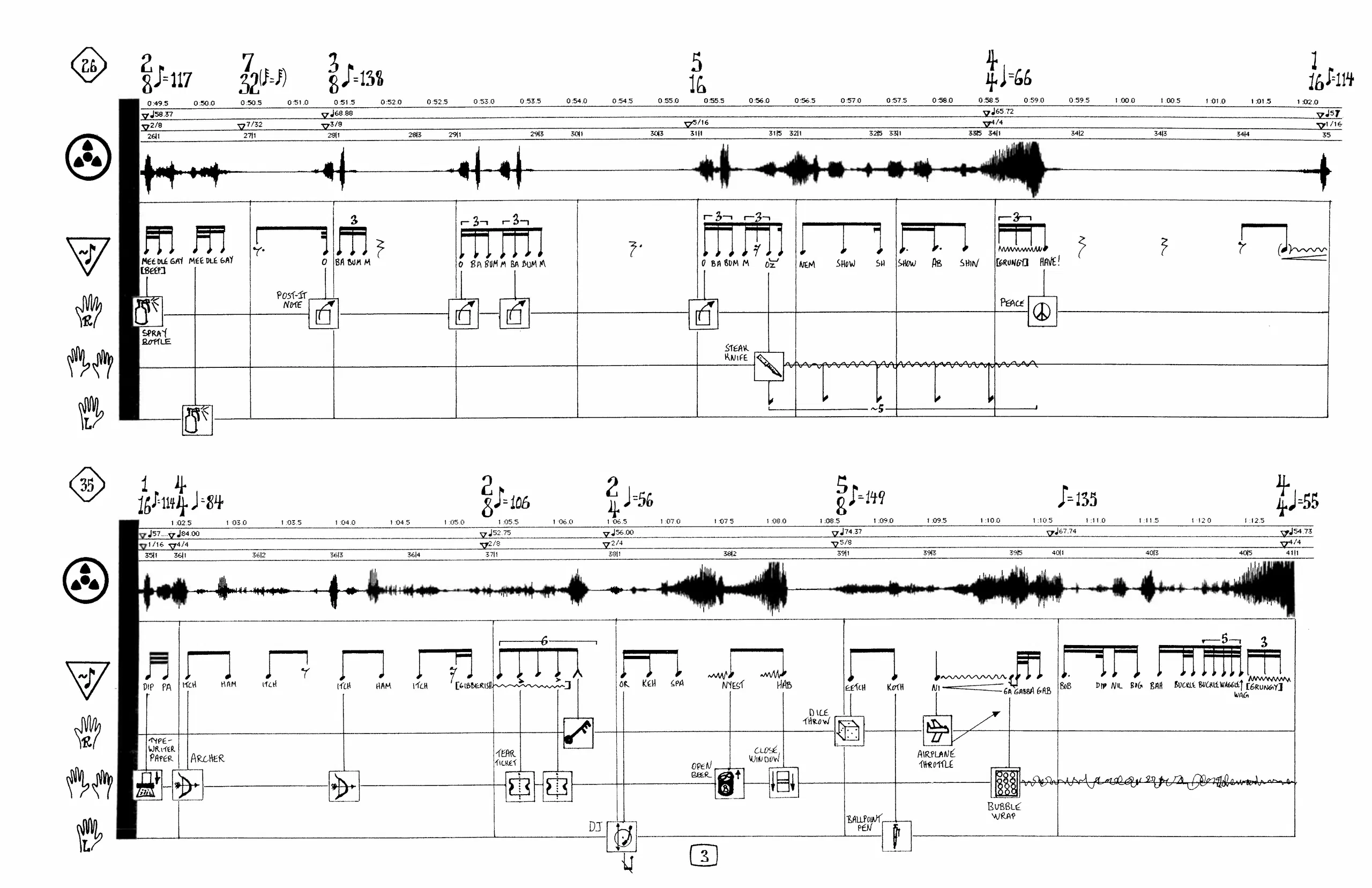
- Aphasia, conceived originally for singer and two-channel tape, was commissioned by the GRM, Paris and composed for virtuoso singer Nicholas Isherwood. The tape, an idiosyncratic explosion of warped and mangled sounds, is made up exclusively of vocal samples—all sung by Isherwood and subsequently transformed digitally. Against the backdrop of this audio narrative, the singer performs an elaborate set of hand gestures, an assiduously choreographed sign language of sorts. Each gesture is fastidiously synchronized to the tape in tight rhythmic coordination. The eccentricity of the hand gestures is perhaps upstaged only by the observation that the singer, however extraordinary, produces no sound in concert. (In fact, the role of the “singer” may be taken by any performer of suitably enthusiastic inclination and conviction.) In that regard Aphasia may be the first piece in the vocal canon that can be performed even when the singer has laryngitis.
- Performer Credits
- Zane Papek
- External Links