1 / 1
0:00/0:00
Saxophone Quartet
2026
- Program Notes
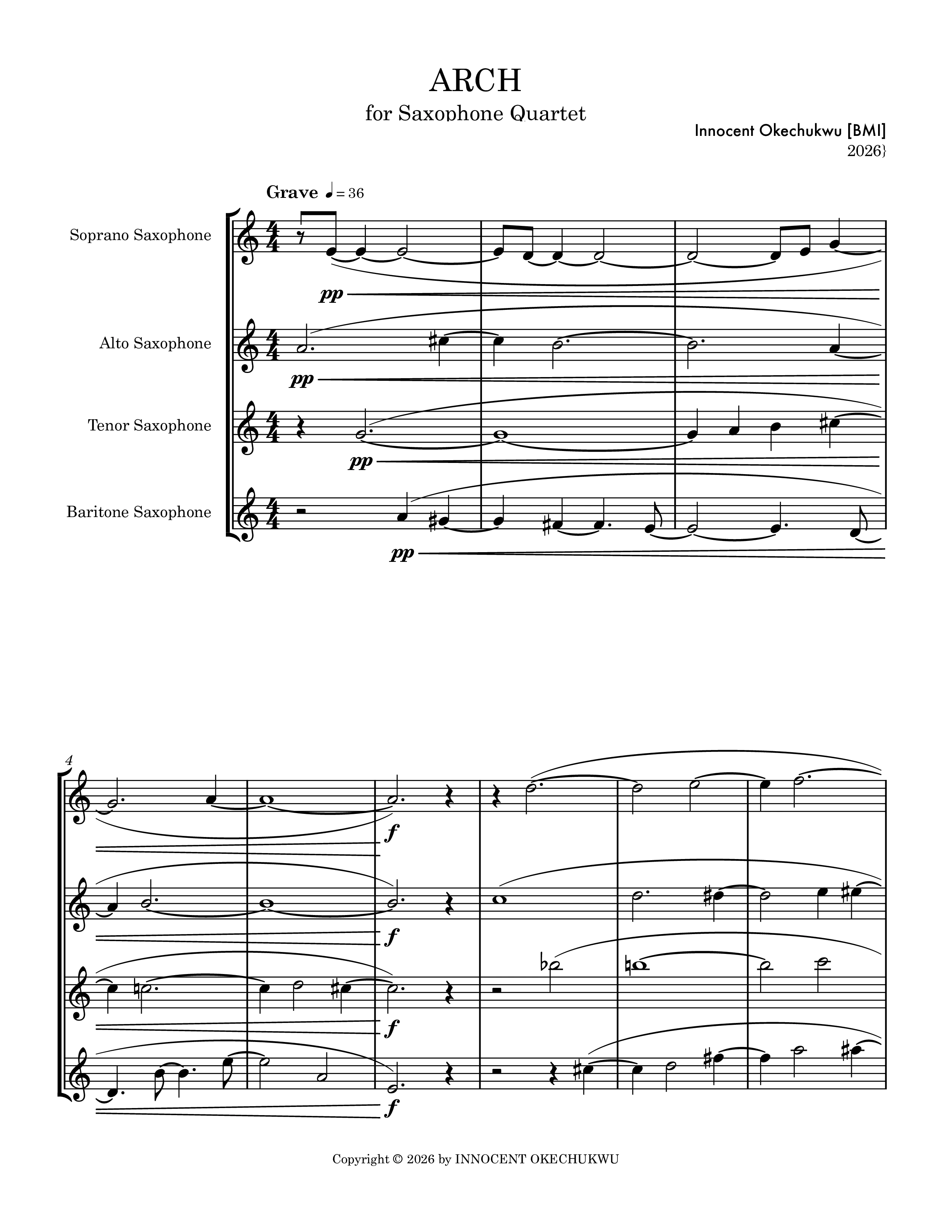
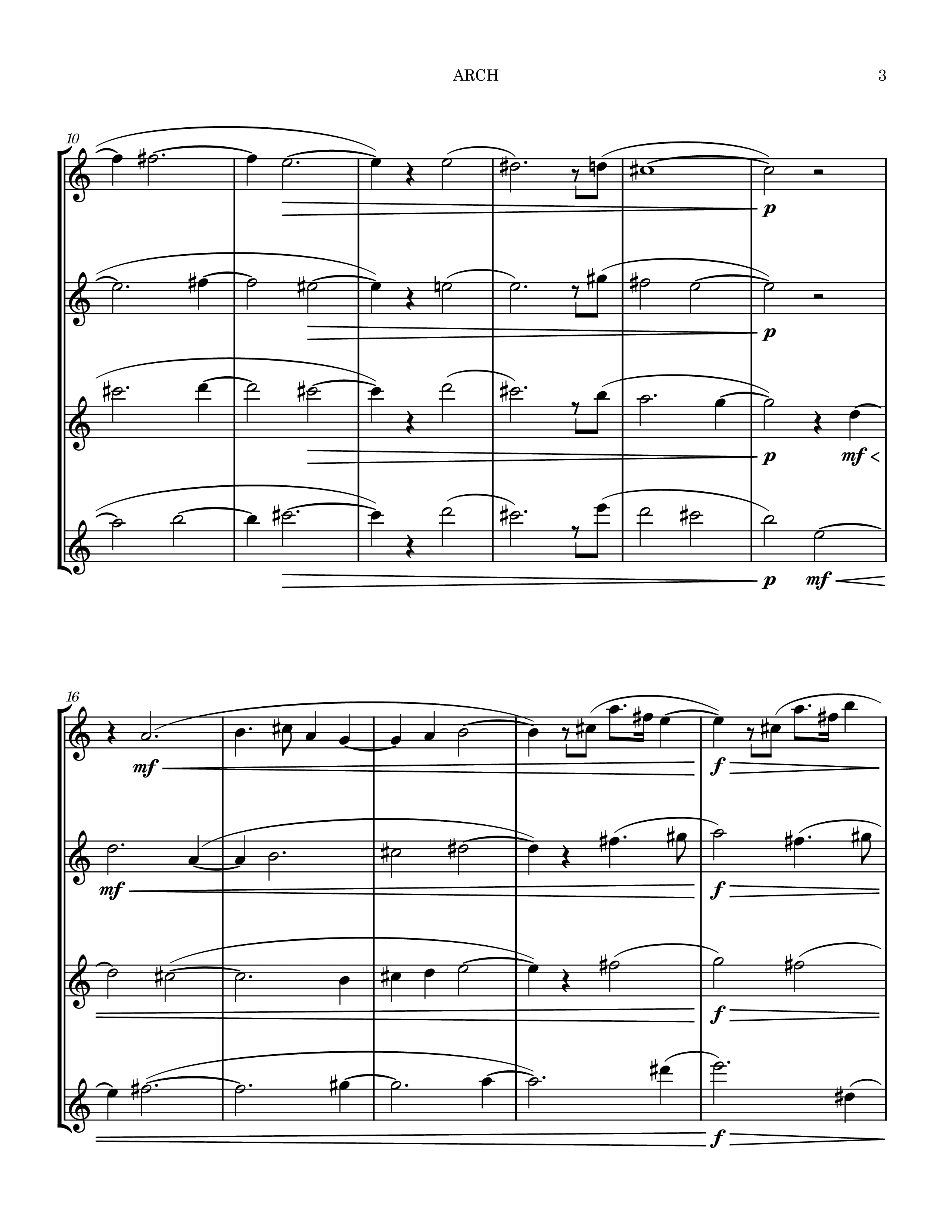
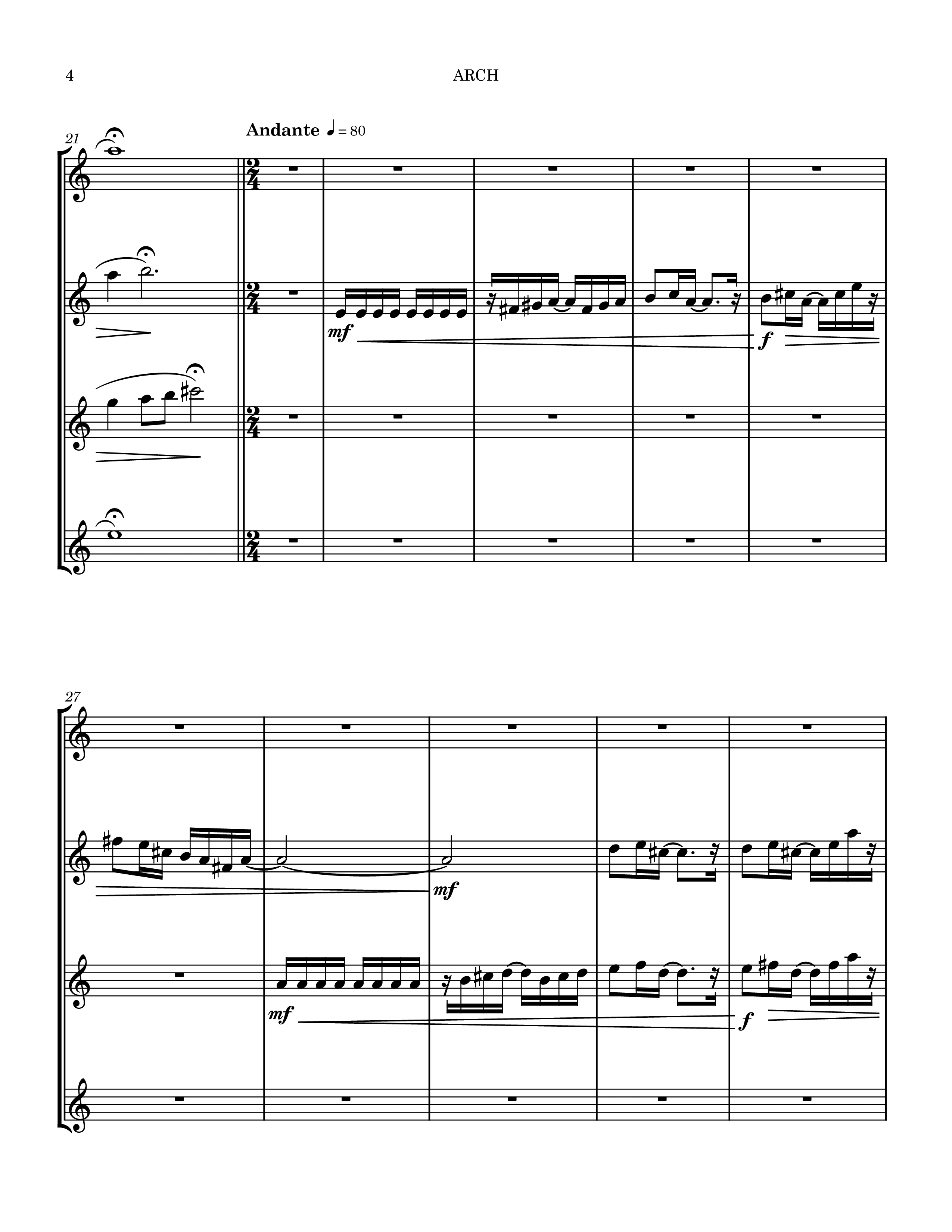
- There is a particular kind of courage required not to throw broken things away — but to pick up the pieces, hold them to the light, and find a way to put them back together. ARCH begins there. This work for saxophone quartet is, at its core, a meditation on healing: on childhood wounds that were never asked for, on pain left behind by others, on memories that resurface without warning and insist on being felt. The title is not simply architectural. An arch is the oldest structural solution to weight and pressure — it holds by distributing the burden across its entire span, each stone depending on the next. To build one from broken pieces is an act of faith that wholeness is still possible. The music opens in stillness — Grave, heavy with what it carries. The four voices of the quartet enter like fragments of a single thing that was once whole, finding each other slowly, testing whether they can move together. As the piece unfolds into its central Andante, something begins to shift: the lines interweave more freely, dissonances lean into resolutions they do not force, and there are moments — fleeting, hard-won — of genuine warmth. The return of the opening tempo in the final pages is not defeat. It is the same weight, carried differently. Healing, the piece suggests, is rarely loud or sudden. It happens in the in-between spaces — in the pause before a phrase continues, in the quiet decision to go on. ARCH does not promise that the broken thing will look the way it did before. It promises only that the pieces are worth gathering.
- Publisher
- INNOCENT OKECHUKWU